Most people don’t realise they’ve been breathing wrong their entire lives, and it’s silently sabotaging their sleep, energy, and even the shape of their face.
Four years ago, I sat in a small, light-filled room across from a holistic dentist, trying to understand why my daughter’s teeth were growing in crooked despite a healthy diet and excellent oral hygiene. I expected talk of braces or maybe a palate expander. What I didn’t expect was a deep dive into the mechanics of breathing.
That day changed the trajectory of my family’s health, and our sleep, forever.
The dentist looked at me and asked, “Has she always breathed through her mouth?”
I hadn’t even considered it. I just thought she was a “mouth breather.” Same like I was, and some kids are, right?
What I learned in that moment set us on a path I never saw coming: mouth taping, jaw development, tribal wisdom, sleep transformation, and a newfound reverence for one of the most basic functions of life — breathing.
The forgotten power of the nose
In Breath: The New Science of a Lost Art, James Nestor reveals something simple yet profound:
“No matter what you eat, how much you exercise, how skinny or young or wise you are — none of it matters if you’re not breathing properly.”
And the proper way to breathe? Through your nose. Always.
The nose isn’t just a passive air hole. It’s a filtration system, a humidifier, a pressuriser, and even a pharmacy. Nasal breathing increases nitric oxide production, a powerful molecule that helps dilate blood vessels, increase oxygen delivery, and even modulate immune function. Mouth breathing? It bypasses all of that.
Why mouth breathing is more than just a bad habit
That dentist explained how mouth breathing alters the structure of the face. Children who breathe through their mouths tend to develop narrow palates, recessed chins, and longer faces. These changes aren’t just aesthetic; they can lead to sleep apnoea, poor posture, and chronic health problems.
My daughter’s crooked teeth weren’t a dental issue. They were a breathing issue.
And just like that, our whole family was taping our mouths shut at night.
It sounds dramatic, and I’ll admit, a bit odd at first, but mouth taping has become one of the simplest, most effective health practices we’ve adopted. It’s been a nightly ritual in our home for four years now. A strip of surgical tape across our lips before bed. No tech. No pills. Just physiology, doing what it was designed to do.
Babies, tribes, and ancient wisdom
One of the most striking stories from Nestor’s Breath is about the practices of indigenous tribes. He describes how certain cultures instinctively understood the importance of nasal breathing, and took measures to ensure it from birth.
“Mothers would gently close their baby’s lips during sleep, even pinching them shut to ensure nasal breathing.”
They watched their babies as they slept, gently repositioning their mouths, knowing that the shape of the face, the strength of the jaw, and even future health outcomes were being moulded by the rhythm of each breath.
It’s a powerful reminder that what we think of as “modern” health problems — snoring, sleep apnoea, ADHD symptoms in kids — are often rooted in very ancient dysfunctions.
The jaws we lost (and how to reclaim them)
Ever wondered why wild animals never need orthodontics?
Because they breathe correctly and chew real food.
Modern diets, full of soft, mushed-up, often ultra-processed food, have removed the natural act of gnawing and tearing from our lives. Chewing tough meat, fibrous roots, and raw vegetables is what built our ancestors’ broad, strong jaws. Without that stimulus, the muscles weaken, the palate narrows, and the airways shrink.
As Nestor explains:
“The less we chew, the less developed our mouths become, and the less room we have for teeth and breathing.”
This doesn’t mean we need to eat rawhide. But it does mean incorporating more whole, unprocessed, and chew-demanding foods. Think slow-cooked meat with connective tissue, raw veg, and yes, even gnawing on bones (safely as I now allow my 1 year old to do).
Sleep, my mouth, and the tape
Here’s what really sealed the deal for me: my sleep.
When I started mouth taping, I expected to feel a bit weird at first. And I did. But within a few days, I started waking up with a different kind of energy. My sleep became deeper, less interrupted. I stopped waking up to drink water or go to the loo. My jaw relaxed. My dreams became more vivid.
There was one night, I wasn’t able to tape.
The result? Dry mouth. Foggy head. Shallow sleep. A stark reminder of how powerful nasal breathing is for rest and recovery. That mouth tape goes everywhere with me now!
Sleep is when we heal. It’s when hormones regulate, cells repair, and the nervous system resets. But none of that can happen properly when we’re gasping through our mouths like we’re trying to survive, not rest.
Dehydration and dry fasting
If you’ve ever dry fasted, or even done a water fast, you’ll know hydration becomes deeply internal. You’re no longer relying on external fluids. Instead, your body shifts into metabolic water production and becomes incredibly efficient at water conservation.
Now imagine breathing through your mouth during a dry fast. You lose water vapour with every exhale. Rapidly.
Nasal breathing, on the other hand, retains moisture. It warms and humidifies the air. You lose far less fluid. I can feel the difference in my hydration levels when I tape during a fast compared to when I don’t.
It’s subtle but profound. It’s the difference between feeling shrivelled and depleted… and feeling steady, clear, and internally hydrated.
The mental game
There’s also a psychological calm that nasal breathing brings.
Mouth breathing keeps us in fight-or-flight mode. The body interprets it as a stress response, one that is often shallow, rapid, and chaotic.
Nasal breathing activates the parasympathetic nervous system. It tells your body: “You’re safe.” It lowers cortisol. Slows the heart rate. Increases heart rate variability (a marker of stress resilience).
When you correct the breath, you correct the nervous system. And when the nervous system is calm, the body can heal.
Why this isn’t just a trend
Mouth taping might sound like a wellness fad, but it’s not. It’s a return to function. A return to design.
We were meant to breathe through our noses. Our ancestors knew this without ever needing a study to prove it. Now the science is catching up and again, it’s conclusive.
The nose is where breathing begins and health follows.
Nasal breathing plays a vital role in maintaining healthy sinuses and preventing chronic congestion or infections. When we breathe through the nose, the air is naturally filtered, humidified, and warmed, which protects the delicate sinus tissues from irritation.
More importantly, nasal breathing stimulates the production of nitric oxide, a powerful, naturally occurring gas that has antiviral, antibacterial, and antifungal properties.
Nitric oxide helps to open the nasal passages, improve airflow, and support the immune defence within the sinuses. In contrast, mouth breathing bypasses these defences, allowing cold, dry, unfiltered air to irritate the respiratory tract and contribute to inflammation and mucus buildup.
Over time, this can worsen or even cause sinus-related problems. Simply restoring nasal breathing can often help to clear congestion, reduce dependency on sprays or antihistamines, and promote long-term sinus health.
Tips if you’re just starting out
If you’re new to nasal breathing or mouth taping, start slow. Here’s what worked for us:
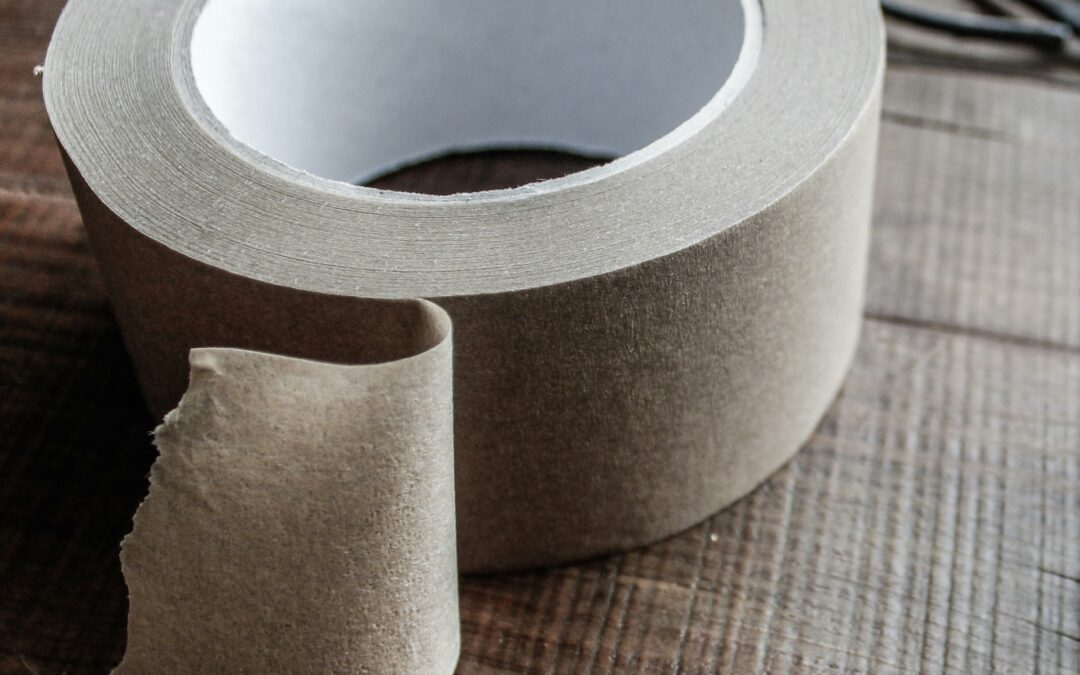
- Use medical-grade paper tape – it’s far cheaper than a branded ‘mouth tape’. Start with a small strip across the centre of the lips, rather than the full mouth.
- Try it during the day first. Especially when working or reading, get your body used to the feeling.
- Work on nasal clearance. Use saline rinses or neti pots if your nose feels blocked. Blocked nose = mouth breathing by default.
- Train the muscles. Myofunctional therapy or simple tongue posture exercises can help strengthen the correct mechanics.
- Observe your kids. Especially at night. If their mouths are open during sleep, it’s a sign to dig deeper.
Final breath
We often chase complex solutions… supplements, protocols, tech… when sometimes, the most powerful interventions are right under (and inside) our noses.
For my family, understanding and correcting our breathing was a revolution. Not overnight. Not dramatic. But deep and transformative.
Every breath shapes your biology. Every breath is a chance to shift toward health, or away from it.
So tonight, as the world quiets and your head meets the pillow, try it: shut your mouth.
Literally.